
Expert Tips for Safe and Secure Online Shopping
In today's digital age, online shopping has become a convenient and popular way to purchase goods. However, with this convenience comes the need for vigilance to ensure your transactions are safe and secure. Here are some expert tips to help you shop online with confidence.
Choose Reputable Websites
One of the first steps to ensure safe online shopping is to stick with reputable and well-known websites. These sites often have robust security measures in place to protect your financial and personal information. Look for URLs that begin with https rather than just http, as the "s" stands for secure.
Additionally, check for a padlock symbol in the address bar. This indicates that the site uses encryption to protect your data. If something seems off about a website, trust your instincts and avoid making a purchase.
Use Strong Passwords
Creating strong, unique passwords for your online shopping accounts is crucial. A strong password typically includes a mix of uppercase and lowercase letters, numbers, and special characters. Avoid using easily guessed information like birthdays or common words.
Consider using a password manager to keep track of your passwords securely. This tool can generate complex passwords and store them safely, making it easier for you to have robust security across different platforms.
Monitor Your Accounts Regularly
Regularly checking your bank and credit card statements can help you spot any unauthorized transactions quickly. Most banks offer online access to your accounts, so you can easily review your transaction history at any time.
If you notice any suspicious activity, report it to your bank immediately. Prompt action can prevent further unauthorized use of your accounts and help resolve any issues swiftly.

Beware of Phishing Scams
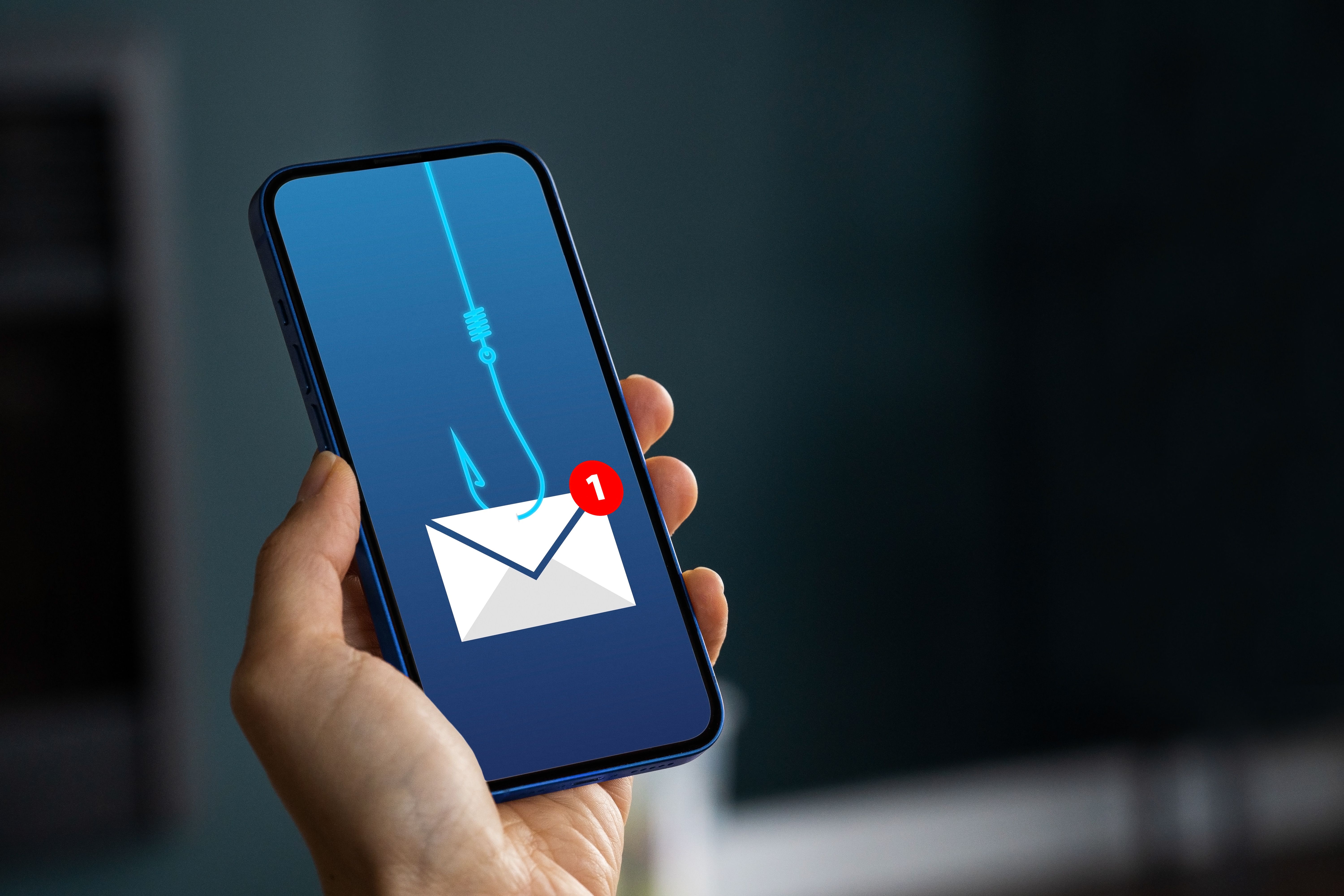
Phishing scams are a common threat to online shoppers. These scams often come in the form of emails or messages that appear to be from legitimate companies, asking you to confirm your account details or login credentials.
Always be cautious of unsolicited messages and never click on links or attachments from unknown sources. When in doubt, visit the company's website directly by typing the URL into your browser rather than clicking a link.
Consider Using Payment Services
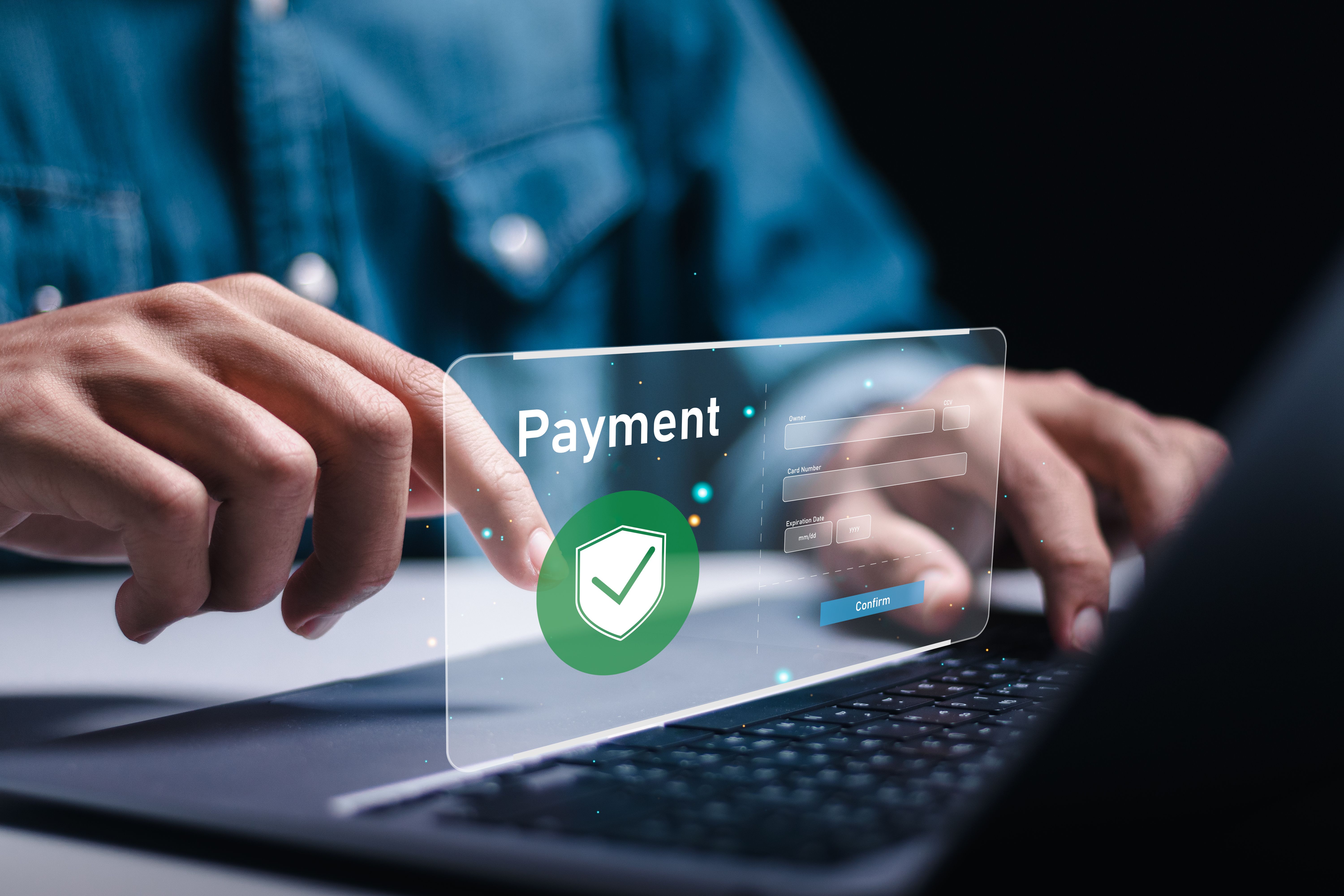
Using third-party payment services like PayPal or digital wallets can add an extra layer of security to your online transactions. These services often provide buyer protection and can prevent fraud by not sharing your payment details with the retailer.
Moreover, many of these services offer easy dispute resolution in case of unauthorized charges or issues with your purchase, giving you peace of mind when shopping online.
By following these expert tips, you can enjoy the convenience of online shopping while keeping your personal and financial information secure. Stay informed, remain cautious, and make the most of your online shopping experience.