
Expert Tips for Safe and Secure Online Shopping
Understanding the Basics of Online Shopping Safety
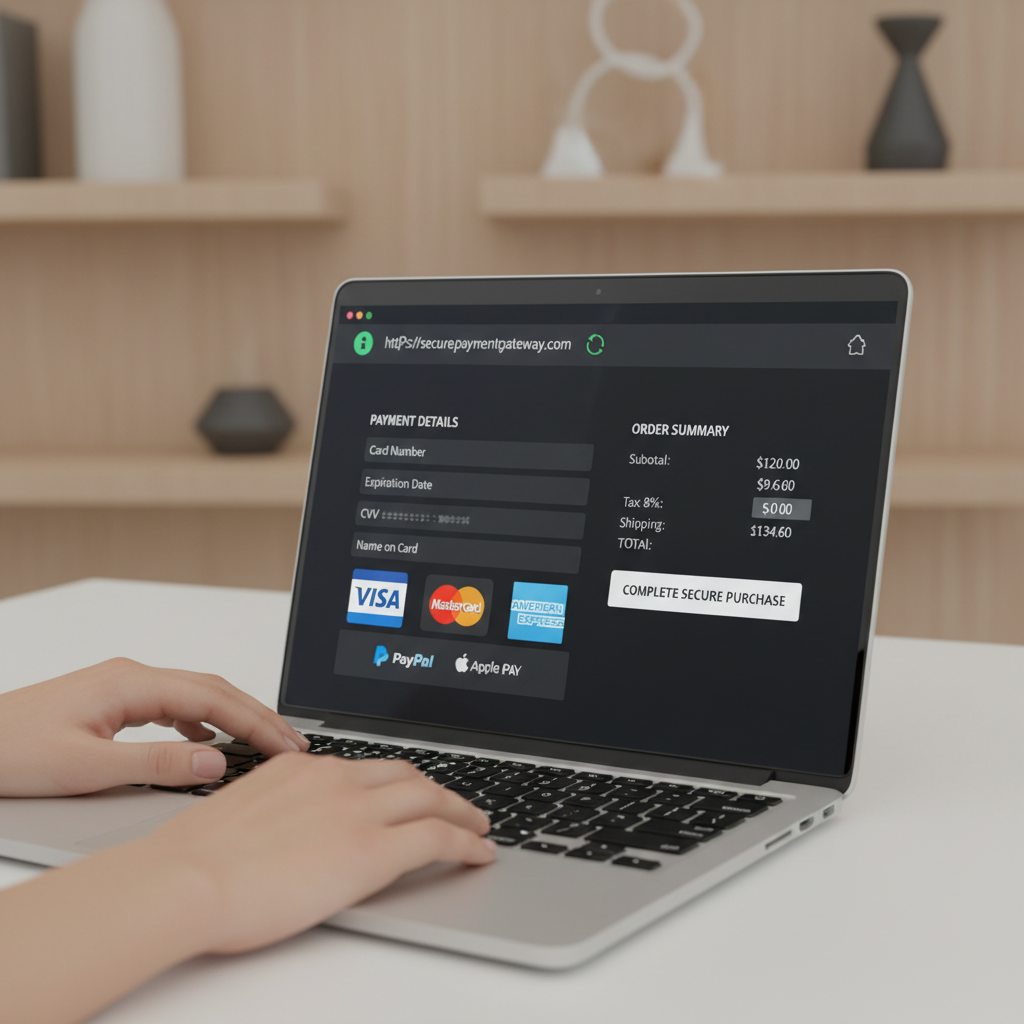
Online shopping has revolutionized the way we purchase goods, offering convenience and access to a vast array of products. However, it also presents risks that can compromise your personal and financial information. To ensure a safe online shopping experience, it's crucial to understand the basics of digital security. Start by shopping only on reputable websites and look for the padlock symbol in the browser's address bar, indicating a secure connection.
Use Strong and Unique Passwords
One of the simplest yet most effective ways to protect your online accounts is by using strong, unique passwords. Avoid common passwords and use a combination of letters, numbers, and symbols. Consider using a password manager to keep track of your credentials. This tool can generate and store complex passwords, minimizing the risk of unauthorized access to your accounts.
Recognizing Phishing Scams
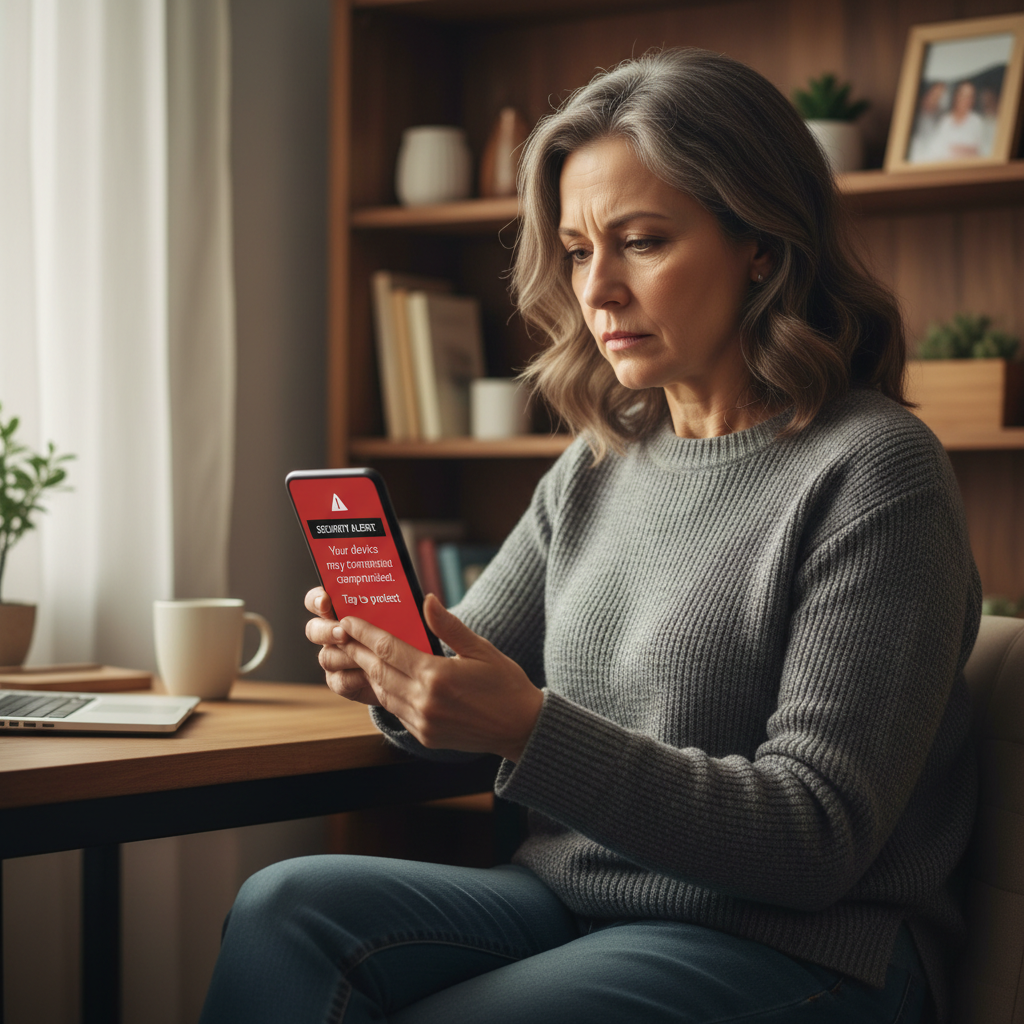
Phishing scams are fraudulent attempts to obtain sensitive information by disguising as trustworthy entities. Be wary of unsolicited emails or messages asking for personal details. Always verify the sender's email address and avoid clicking on suspicious links. If in doubt, visit the retailer's website directly by typing the URL into your browser instead of clicking on a link.
Secure Your Internet Connection
Shopping on a public Wi-Fi network can expose your data to potential hackers. Whenever possible, use a secure, private Wi-Fi connection. If you must shop on public Wi-Fi, consider using a Virtual Private Network (VPN) to encrypt your data and protect your privacy. A VPN creates a secure tunnel for your information, making it difficult for cybercriminals to intercept.
Monitor Your Bank Statements
Regularly reviewing your bank and credit card statements can help you detect unauthorized transactions early. Report any suspicious activity to your bank immediately. Many banks offer real-time alerts for transactions, providing an extra layer of security for your online shopping activities.

Consider Two-Factor Authentication
Two-factor authentication (2FA) adds an additional security layer to your online accounts. It requires you to verify your identity using two different factors, such as a password and a one-time code sent to your phone. Enabling 2FA on your accounts can significantly reduce the risk of unauthorized access.
Stay Informed About Security Updates
Cybersecurity is an ever-evolving field, and staying informed about the latest threats and security updates is crucial. Regularly update your software, including your operating system and antivirus programs, to protect against new vulnerabilities. Subscribing to newsletters or following trusted security blogs can help you stay updated on best practices.

Conclusion
Safe and secure online shopping is achievable with the right precautions. By understanding the fundamentals of digital security, using strong passwords, recognizing phishing attempts, securing your internet connection, monitoring financial statements, and staying informed, you can protect yourself from potential threats. Implement these expert tips to enjoy a safe online shopping experience and keep your personal information secure.