
Top Myths About Shopping Online Debunked
Convenience Comes with Risks?
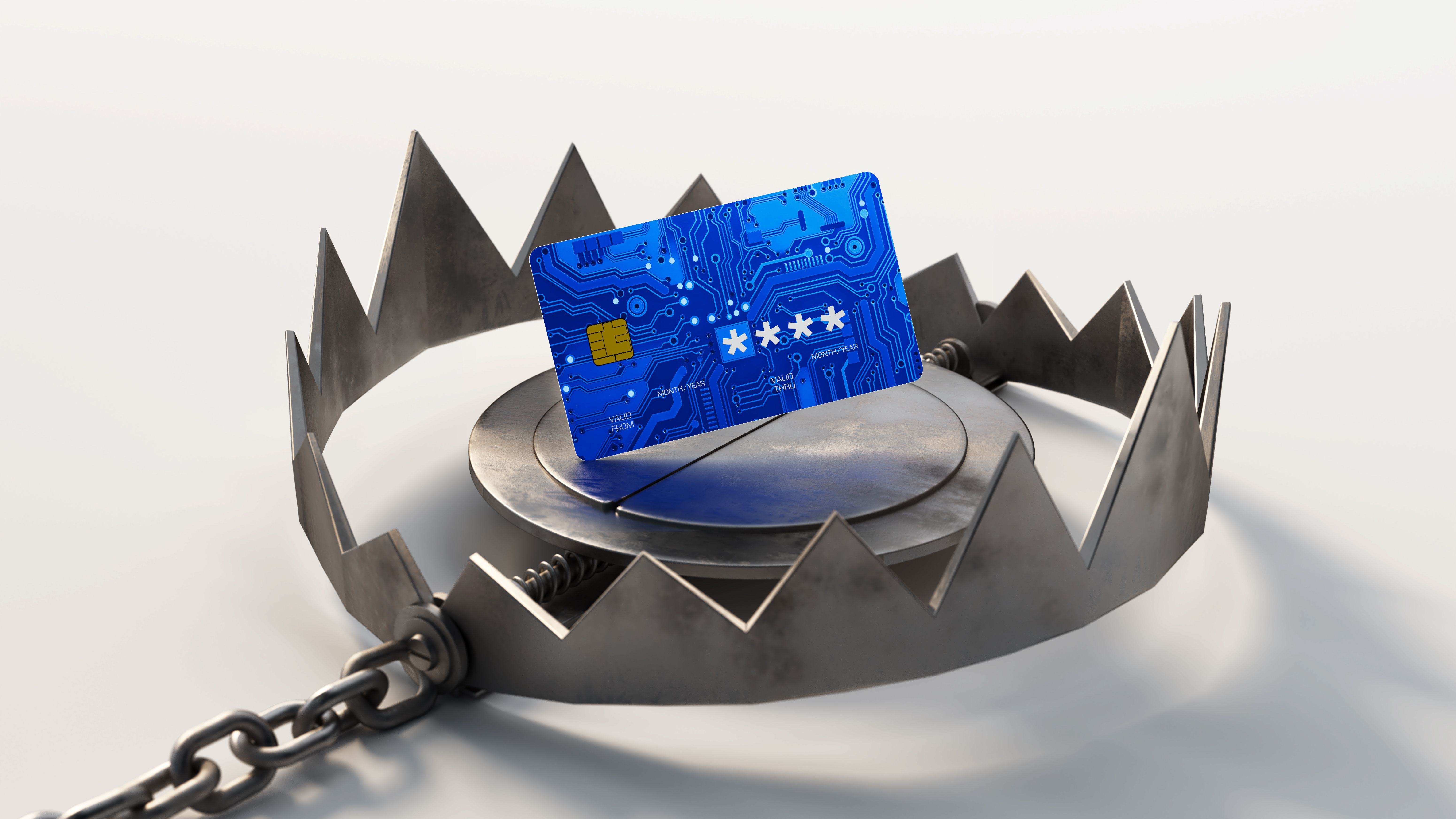
One of the most persistent myths about online shopping is that it’s inherently risky. While it's true that cybersecurity threats exist, reputable e-commerce platforms invest heavily in security measures. Encrypted payment gateways, two-factor authentication, and SSL certificates are just a few examples of how your data is protected. As long as you're shopping on trusted sites, your information is usually safe.
It's important to remember that the same precautions you take in physical stores apply online. Check for secure connections, look for user reviews, and avoid sharing personal information on unfamiliar sites.
Online Shopping Costs More
Another common misconception is that online shopping is more expensive than in-store purchases. The reality is that many online retailers offer exclusive discounts and deals that you won't find in physical stores. Additionally, the internet provides the ability to easily compare prices across different platforms, often leading to better deals.
Moreover, many online stores offer free shipping, especially if you hit a minimum purchase amount. Always look for discount codes and seasonal sales to maximize your savings.
Returns and Refunds Are a Hassle
Many consumers believe that returning items bought online is a complex process. However, most e-commerce platforms have streamlined their return policies, making it easier than ever to return or exchange products. Many websites offer free return shipping and allow you to track the status of your return online.

Be sure to read the return policy before purchasing, so you're aware of any specific requirements or conditions. This can save you time and frustration later on.
Quality Can't Be Assessed Virtually
A frequent concern is that you can't gauge the quality of a product without seeing it in person. While it’s true that you can't physically touch or try on items, online shopping provides other ways to assess quality. Detailed product descriptions, high-resolution images, and customer reviews are invaluable resources.
Many sites also offer virtual try-ons or augmented reality features that allow you to see how a product might look in real life. These tools can help bridge the gap between the virtual and physical shopping experiences.

Only Tech-Savvy People Can Shop Online
Finally, some people shy away from online shopping, thinking it's too complicated or tech-heavy. In reality, e-commerce platforms are designed to be user-friendly and accessible to everyone. Many sites offer tutorials or customer service support to guide you through the process.
Whether you're a novice or a seasoned shopper, online platforms aim to make your shopping experience as simple and enjoyable as possible.